Common mistakes when ordering wedding flowers in Nunhead
Posted on 04/10/2026
Ordering wedding flowers sounds simple right up until you start comparing bouquets, buttonholes, table displays, and delivery timings. Then it gets messy, fast. If you are planning a wedding in Nunhead, the details matter even more because local venues, tight schedules, and London logistics can all shape how your flowers arrive and how they look on the day. This guide breaks down the common mistakes when ordering wedding flowers in Nunhead, why they happen, and how to avoid the kind of last-minute stress that nobody wants the week of the wedding.
Whether you are choosing a full floral scheme or just a bridal bouquet and a few key pieces, the goal is the same: flowers that suit the venue, the season, the budget, and the atmosphere you want to create. Let's make sure that happens without any unnecessary surprises.
Why Common mistakes when ordering wedding flowers in Nunhead Matters
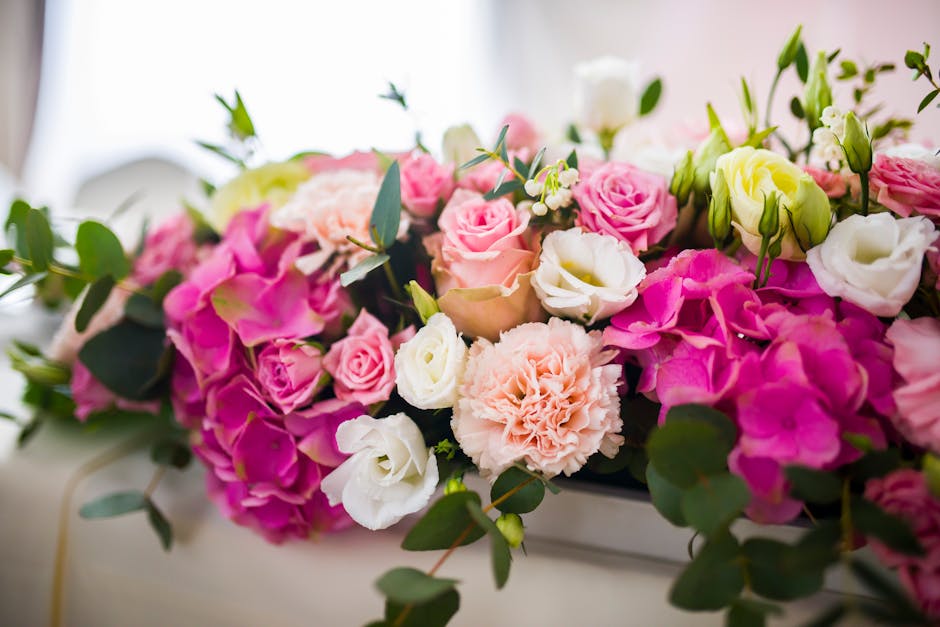
Wedding flowers are not just decoration. They help set the tone of the day, pull together the colour palette, and make a venue feel intentional rather than thrown together at the last minute. In Nunhead, where couples often balance charming local venues with practical London timing, getting the floral order wrong can affect everything from the ceremony photos to the table layout and even the pace of the morning itself.
A lot of couples assume flowers are a final detail. In reality, they sit right in the middle of design, logistics, and budget planning. If you leave them too late, or order them without enough detail, you may end up with blooms that are wrong for the season, too large for the space, or simply not delivered in the right condition. And on a wedding morning, even a small issue can feel huge.
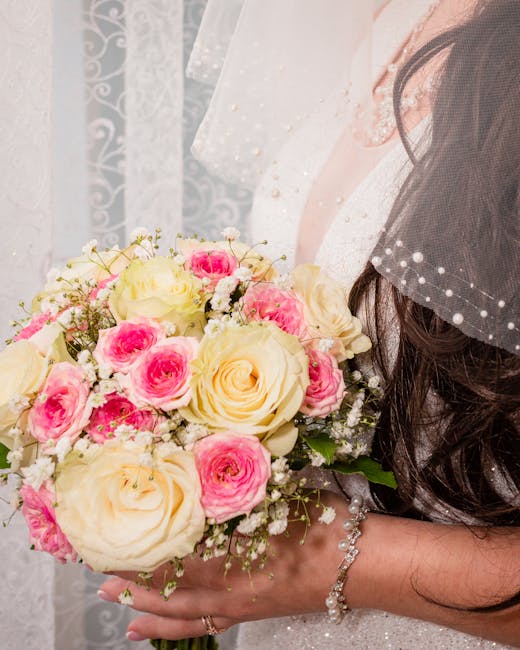
One bride in South London once described the bouquet as the first thing she saw all morning. That stuck with me. It is often the first visual cue that the day has truly started. If the flowers are right, they calm everything down a little. If they are wrong... well, let's face it, people notice.
How Common mistakes when ordering wedding flowers in Nunhead Works
To understand the mistakes, it helps to understand the process. Ordering wedding flowers usually starts with a conversation about the venue, the style of the wedding, the season, and the key floral items you need. From there, a florist may suggest a bridal bouquet, bridesmaid bouquets, buttonholes, table arrangements, ceremony flowers, or a more complete collection such as a full wedding range.
At this stage, many couples browse by style rather than by practical need. That is perfectly normal. But ordering flowers well is a bit like planning the rest of the day: the pretty part needs to fit the practical part. A tall, airy arrangement might look gorgeous online, but if your reception tables are narrow, it may block sightlines or crowd the place settings. A delicate bouquet may look elegant, but if you have a late summer outdoor ceremony, it might not hold up in warm sun and crowded photos.
In Nunhead and across SE15, timing matters too. Delivery windows, venue access, and whether someone is there to receive and place the flowers all affect the outcome. A florist can only do so much if the contact person is unclear or the schedule shifts suddenly. That is why the ordering process works best when you think in layers: style first, then scale, then delivery, then final checks.
Key Benefits and Practical Advantages
A careful flower order gives you more than a nice-looking bouquet. It reduces stress, avoids waste, and helps your wedding feel cohesive from the first photo to the final table shot.
- Better visual harmony: Your flowers work with the venue instead of fighting it.
- Fewer last-minute changes: Clear planning reduces the chances of substitutions or delivery confusion.
- Smarter budget use: You spend where it matters most, rather than over-ordering in the wrong places.
- Stronger seasonal fit: Choosing blooms that suit the time of year usually gives better results and a more natural finish.
- Less wedding-day pressure: The florist knows what to deliver, where to place it, and when it needs to arrive.
There is also an emotional advantage that people often overlook. When the flowers are carefully chosen, they become part of the memory of the day. You see them in the background of the ceremony photos, on the top table, in the hands of your bridal party, and later in the little still-life moments that end up meaning more than you expected.
Who This Is For and When It Makes Sense
This topic is for anyone planning a wedding in Nunhead who wants the flowers to feel thoughtful rather than rushed. That includes couples organising a full traditional wedding, a smaller ceremony, a registry-style celebration, or a reception where flowers are used sparingly but carefully.
It is especially useful if you:
- are planning your first wedding and do not know what floral items you actually need
- are trying to match flowers to a venue with a specific colour scheme or table layout
- need to manage a budget without making the wedding look stripped back
- have a short planning window and need to make decisions quickly
- want flowers that photograph well in both indoor and outdoor settings
- are coordinating buttonholes, corsages, bridesmaid bouquets, and table flowers together
If you are already looking at wedding flower collections, or comparing bridal and bridesmaid options such as bridal bouquets and bridesmaid bouquets, this guide should help you spot the traps before they cost you time or money.
Truth be told, the earlier you think about flowers, the easier everything becomes. That does not mean you need to know every bloom by name. It just means you need a plan, a feel for the venue, and a realistic idea of how much floral impact you actually want.
Step-by-Step Guidance
1. Start with the wedding style, not the flower first
Before you choose roses, lilies, or mixed seasonal stems, decide what the day should feel like. Soft and romantic? Clean and elegant? Bright and joyful? Flowers should support that feeling. A lot of couples do this backwards and start with one "pretty" bouquet they saw online. It looks lovely, but it may not suit the rest of the plan.
2. List the floral items you actually need
At minimum, many weddings need a bridal bouquet, one or more bridesmaid bouquets, buttonholes, and reception flowers. Some need corsages, altar pieces, aisle arrangements, or table centrepieces. Write the list before asking for prices. Otherwise, you risk comparing one partial quote with another full one, which is never apples to apples.
3. Match the flowers to the venue and season
This is where local knowledge helps. A compact room needs different arrangements from a bright hall with larger tables. A spring wedding may suit soft pastel stems, while late summer can carry richer tones. And if your wedding is in a warm room or a sunny space, choose flowers that can hold up for the duration.
4. Be specific about colours and finish
"White and blush" can mean several different things. So can "vintage," "neutral," or "luxury." If you want a refined look, say whether you mean crisp white, ivory, cream, or a mix. A florist can work with general guidance, but being clearer saves back-and-forth later.
5. Confirm delivery, setup, and contact details
Do not assume somebody will just know where to put everything. Name the person on site, give the exact venue address, and confirm whether the flowers should be dropped off, arranged, or both. If there are narrow entrances or restricted access times, say so early. London venues can be a bit particular about this, and fair enough too.
6. Check the final order before payment
Read through the pieces one more time. Has the number of buttonholes been counted correctly? Are the table arrangements enough for the number of guest tables? Are you paying for any extras you do not need? A quick check now can prevent a very awkward realisation on the morning.
Expert Tips for Better Results
These are the little things that make a big difference.
- Build around one main focal point. If the bouquet is bold, keep some of the other flowers calmer so the whole look does not become busy.
- Ask about substitutions. Seasonal flowers can vary, so it helps to know whether the florist will swap in similar stems if needed.
- Think about photography. Flowers that look soft and full in person also need to read well in pictures. Some designs are gorgeous in real life but disappear in flash or low light.
- Plan for handling. Bouquets should be easy to carry. Buttonholes should be secure. Table arrangements should not get in the way of speeches or dinner service.
- Keep a little flexibility in the colour palette. Not every bloom arrives with the same exact shade. A good florist will balance that out, but it helps to allow for small natural variations.
If you are ordering related items too, such as wedding buttonholes, wedding corsages, or table arrangements, try to keep the style consistent without making every piece identical. Matching does not have to mean repetitive. In fact, too much repetition can flatten the whole design.
And one small but useful tip: if your schedule is tight on the morning of the wedding, arrange for flowers to arrive earlier rather than later, with enough time to settle them in before the dressing chaos begins. Nothing glamorous about someone hunting for scissors in a half-buttoned suit.
Common Mistakes to Avoid
This is the section that saves money, stress, and a few headaches.
1. Leaving the order too late
The most common mistake is underestimating how early wedding flowers need to be discussed. Popular dates fill up, and seasonal flowers can become difficult to source if you wait too long. Even when a florist can still help, the available choices may narrow fast.
2. Not giving the florist enough context
"I like romantic flowers" is a start, not a brief. A good florist needs to know the venue, dress style, colour scheme, guest count, and whether the day is formal or relaxed. Without that, they are guessing. And guessing is not ideal when you are working with your wedding budget.
3. Ordering too many pieces for the space
A room can only hold so much floral weight before it starts to feel crowded. People sometimes order extra arrangements because they look beautiful online, but the venue ends up feeling busy rather than elegant. This happens a lot with reception tables.
4. Ignoring seasonality
Some blooms are easier to source at certain times of year. If you fall in love with a flower that is out of season, you may pay more or end up with a close alternative. That is not always a problem, but it should be an informed choice.
5. Forgetting about transport and setup
Flowers are delicate, but the wedding morning is not. Cars get warm. Bags tip over. Bouquets need space. If there is no clear plan for moving them from florist to venue, things can get bent, bruised, or late.
6. Focusing on the bouquet and forgetting the rest
The bridal bouquet often gets all the attention, but buttonholes, bridesmaid bouquets, and table pieces also shape the day. Skipping those details can make the design feel unfinished, even if the bouquet itself is stunning.
7. Not checking the wording of the order
Small errors slip through more often than people think. A wrong quantity, a missing colour note, or an unclear delivery time can cause problems that are easy to avoid if you read the order carefully.
8. Choosing based on photos alone
Photos help, of course. But they can also mislead. Lighting, editing, and flower age all affect how a bouquet appears online. Ask how the arrangement is intended to look in real conditions, not just on a perfect page.
Quick summary: the biggest mistakes are usually not dramatic ones. They are small planning gaps - unclear brief, late ordering, wrong scale, or assumptions about delivery. Fix those, and you are already ahead.
Tools, Resources and Recommendations
You do not need specialist software to organise wedding flowers, but a few simple tools make decision-making much easier.
- A mood board: Save colour references, bouquet shapes, and venue photos in one place.
- A guest and table count: Useful for estimating how many buttonholes, bouquets, and table arrangements you need.
- A wedding schedule: Helps you see when flowers must arrive and when they need to be ready for photographs.
- A venue plan: Even a rough sketch helps the florist understand table sizes, ceremony placement, and entry points.
- A clear budget range: It is easier to recommend the right style when the florist knows whether you are planning modestly or going all out.
If you want to keep things simple, browsing florist choice options can be useful because it gives the florist room to design around what is freshest and most suitable. For couples who want a more polished, premium look, the luxury flowers range can be a helpful reference point too.
For local ordering, it can also be worth checking the main Nunhead florist page, especially if you want a general overview of what is available for weddings and other occasions in SE15. A little browsing goes a long way, honestly.
Law, Compliance, Standards, and Best Practice
Wedding flowers are not heavily regulated in the way some other services are, but good practice still matters. You are paying for a service, so order details should be clear, delivery expectations should be set, and refund or replacement terms should be understood before payment. That is basic consumer sense, and it is worth checking carefully.
In the UK, reputable businesses should be transparent about payment terms, delivery arrangements, cancellations, and complaints handling. You do not need to turn the whole thing into a legal review, but you should know what happens if a delivery is delayed, if an item is unavailable, or if an address changes at the last minute. Policies such as terms and conditions, returns and refund, and delivery information exist for a reason.
There is also a practical standard worth following: confirm everything in writing. A short message or order summary can prevent misunderstandings later. If you are ordering on behalf of a couple, venue coordinator, or family member, make sure one person is clearly responsible for approving the final details. That sounds basic, but it saves a lot of back-and-forth.
Best practice is also about fairness and clarity. Ask whether the florist can offer alternatives if a specific bloom is unavailable. That is common in the trade, especially with seasonal stock. A sensible florist will not promise the impossible. That kind of honesty matters more than a glossy photo ever will.
Options, Methods, or Comparison Table
Different ordering approaches suit different weddings. Here is a simple comparison that may help if you are deciding how much control you want versus how much convenience you need.
| Ordering method | Best for | Pros | Watch out for |
|---|---|---|---|
| Fully bespoke floral order | Couples with a clear theme or larger venue | Most tailored look, better fit for venue and styling | Takes more planning and clear communication |
| Florist-led selection | Couples who want expert guidance | Less decision fatigue, often good for fresh seasonal choices | You need to trust the florist's judgment |
| Curated wedding collection | Couples who want consistency and speed | Easy to match bouquets, buttonholes, and arrangements | Less flexibility if your venue has unusual needs |
| Minimal floral approach | Smaller weddings or tighter budgets | Simple, elegant, cost-conscious | Can look sparse if not planned carefully |
If you prefer a coordinated wedding range rather than mixing different items one by one, collections such as a wedding collection can be a practical route. It is often easier to keep bouquets, buttonholes, and table flowers visually aligned that way.
To be fair, there is no single "best" method. The right choice depends on how much time you have, how specific your vision is, and how much floral detail you actually want on the day.
Case Study or Real-World Example
Here is a realistic scenario, without inventing any heroic wedding drama.
A couple planning a late-summer wedding in Nunhead wanted soft white and blush flowers with a few stronger accent tones. They initially asked for one large bouquet, matching bridesmaid bouquets, buttonholes, and full table arrangements. After looking at the venue plan, it became clear the reception room had fairly narrow tables and limited space between place settings. The floral scheme was adjusted so the bouquet remained the main visual statement, while the reception flowers were simplified into lower arrangements that would not block conversation.
That small change made a big difference. The room felt calmer, the photographs were cleaner, and the couple stayed within a more comfortable budget. Most importantly, they did not end up paying for volume they could not really use. That is a classic wedding flower lesson: beautiful is good, but appropriate is better.
Another common real-world moment: a couple chooses flowers based on a single inspiration image and then realises the venue lighting is much warmer than expected. The florist can still make it work, but the final colours may need slight adjustment so the flowers do not look dull or yellowed in photos. A bit of flexibility at the planning stage avoids that awkward "this is not quite what I pictured" feeling later on.
Practical Checklist
Use this checklist before you confirm your order.
- Have I chosen the overall style of the wedding first?
- Do I know which floral pieces I actually need?
- Have I shared the venue name, address, and access details?
- Do I know the approximate guest and table count?
- Have I described my colour palette clearly?
- Have I asked what will happen if a flower is unavailable?
- Is the bouquet size suitable for carrying and photographing?
- Have I confirmed delivery timing and the contact person on site?
- Have I reviewed the quote carefully for hidden extras or missing items?
- Does the order fit the season, the venue, and the budget?
If you can tick most of those off, you are in solid shape. If not, slow down a bit. No need to panic, just tidy up the plan before money changes hands.
Conclusion
The common mistakes when ordering wedding flowers in Nunhead are usually simple ones: leaving it too late, giving vague instructions, ignoring venue scale, or choosing arrangements that do not fit the season or budget. The good news is that all of these are avoidable with a little structure and a few clear decisions.
Start with the feeling you want, then work through the practical side: the venue, the schedule, the flower count, and the final delivery details. If you do that, your flowers are much more likely to feel calm, beautiful, and completely in step with the day. And honestly, that is what most couples want. Something lovely. Something that works.
When the flowers arrive, settle into the room, and finally sit where they should, you will feel it. The day starts to look real.
Get a free quote today and see how much you can save.
Frequently Asked Questions
How far in advance should I order wedding flowers in Nunhead?
As early as you can, ideally once your venue and wedding date are confirmed. That gives you more choice, especially if you want specific blooms or a coordinated set of bouquets, buttonholes, and table flowers.
What is the biggest mistake couples make with wedding flowers?
The most common mistake is not giving enough detail. If the florist only gets a vague style request, it is harder to match the flowers to the venue, budget, and overall look of the wedding.
How do I keep wedding flowers within budget?
Focus on the pieces that matter most visually. Often that means the bridal bouquet, a few key bouquets or buttonholes, and carefully chosen reception arrangements rather than over-ordering every possible item.
Should I choose flowers by season?
Yes, in most cases. Seasonal flowers are often easier to source and more likely to look fresh and natural. If you want an out-of-season flower, ask what the alternatives or likely substitutions might be.
Do I need matching flowers for everything?
No. A coordinated look is usually better than exact matching. The flowers should feel connected, but not repetitive. Small variations often make the whole design look more natural.
What should I tell the florist before placing an order?
Share the venue name, date, colour palette, ceremony and reception details, guest count, and any flowers you love or dislike. The more context you give, the more accurate the recommendation will be.
How many buttonholes or corsages do I need?
That depends on who is in the wedding party and who is being recognised on the day. A simple guest list review usually helps. It is better to count carefully than to assume one or two extras will not matter.
What if my chosen flower is unavailable?
A good florist should suggest a close alternative that keeps the shape, colour, and feel of the arrangement intact. That is normal, especially with seasonal flowers, so it is worth asking about before you order.
Can I order wedding flowers if I only need a few items?
Absolutely. Many weddings only need a bouquet, a handful of buttonholes, or a couple of table pieces. You do not need a full floral package to make the day look polished.
How do I make sure the flowers arrive on time?
Confirm the delivery window, the exact venue address, and the person who will receive the flowers. If there are access restrictions or a tight morning schedule, mention that well in advance.
Are wedding collections better than custom orders?
Not always, but they can be easier if you want a coordinated look without having to choose every piece individually. Custom orders are better when you need something more specific or venue-led.
Where can I see wedding flower options for Nunhead?
You can look through the local wedding range, bridal bouquets, bridesmaid bouquets, buttonholes, and table arrangements to get a feel for what suits your day. That usually makes the decision easier than starting from a blank page.


